ROMFS Format Package

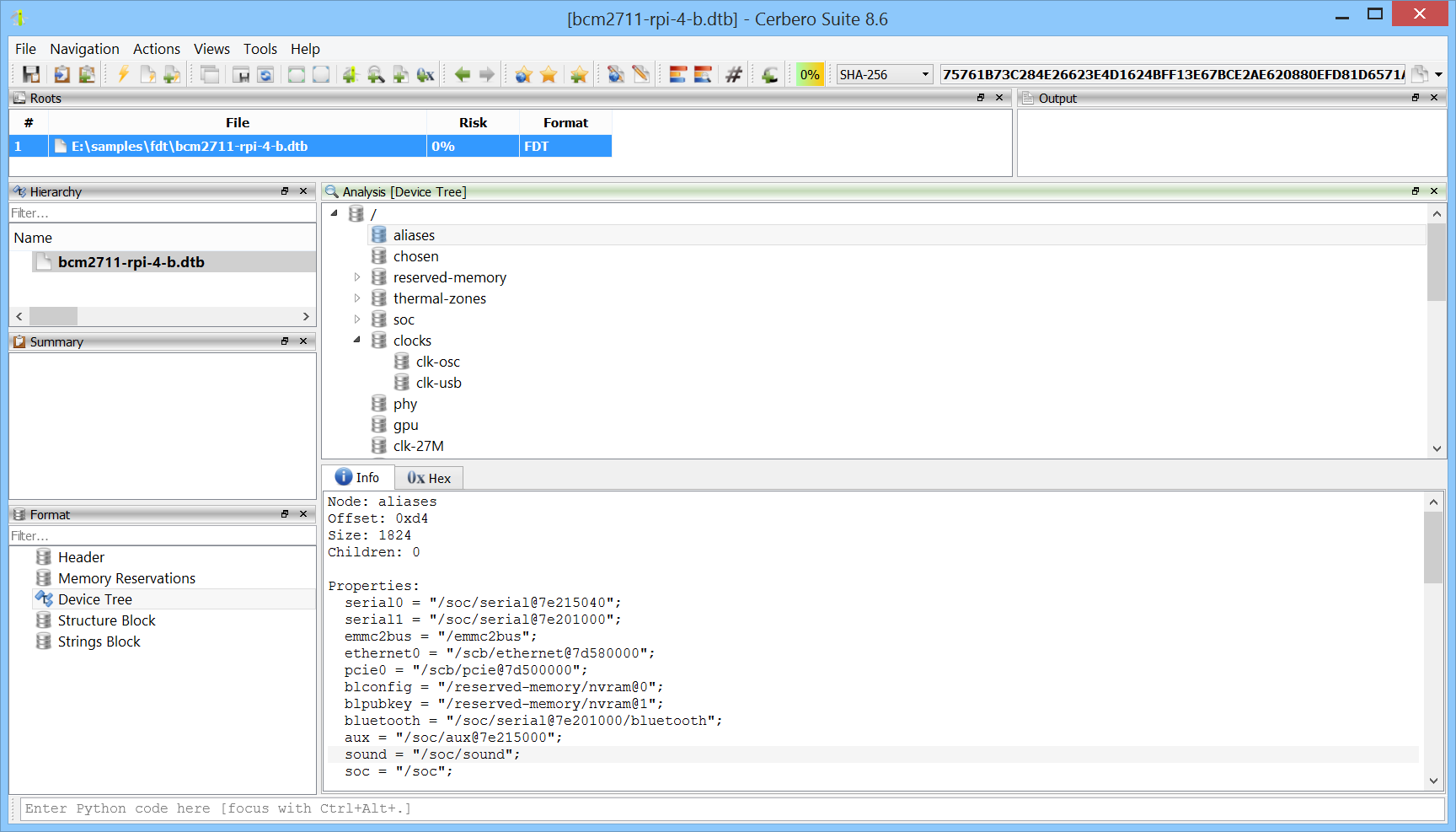
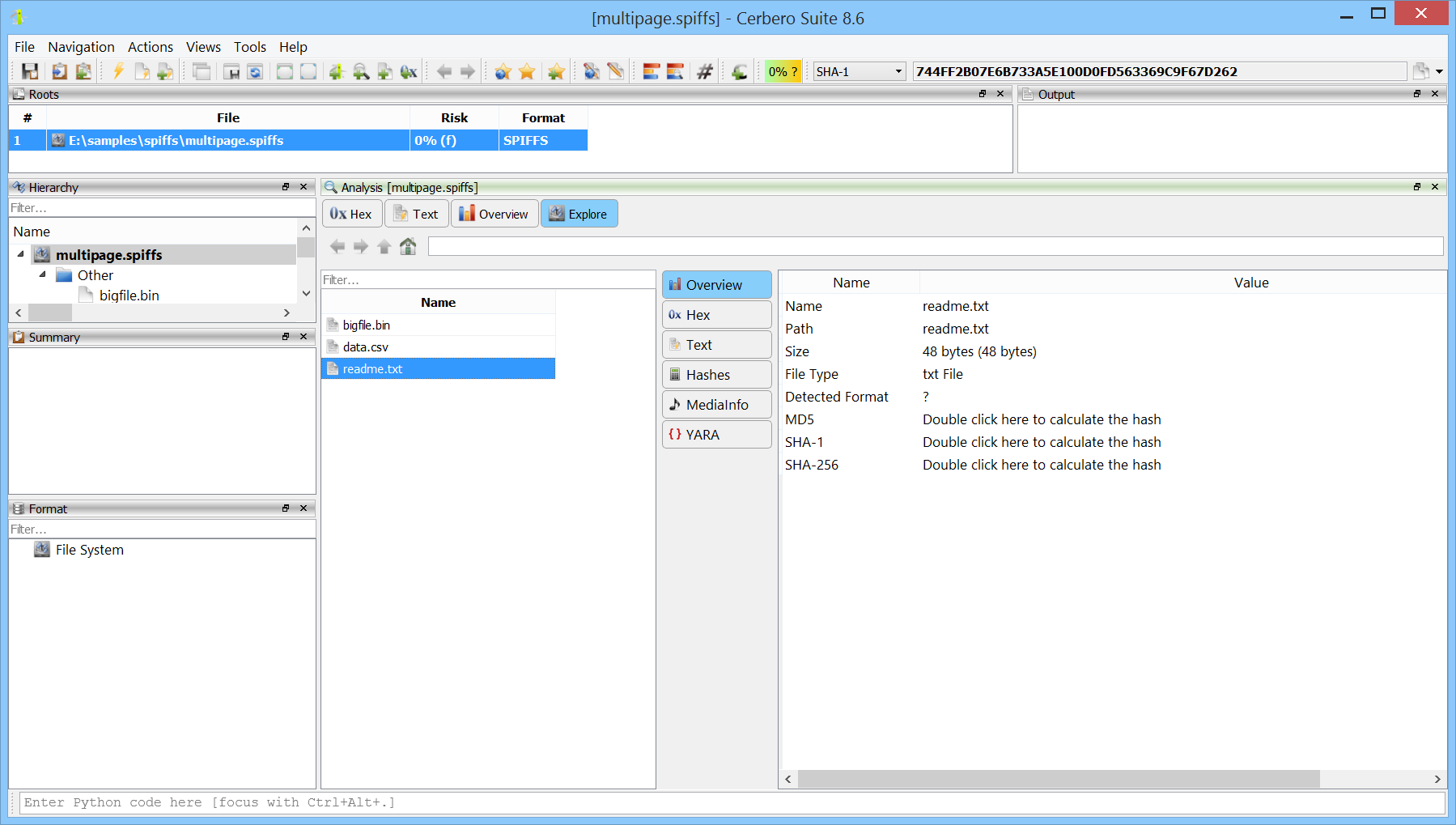
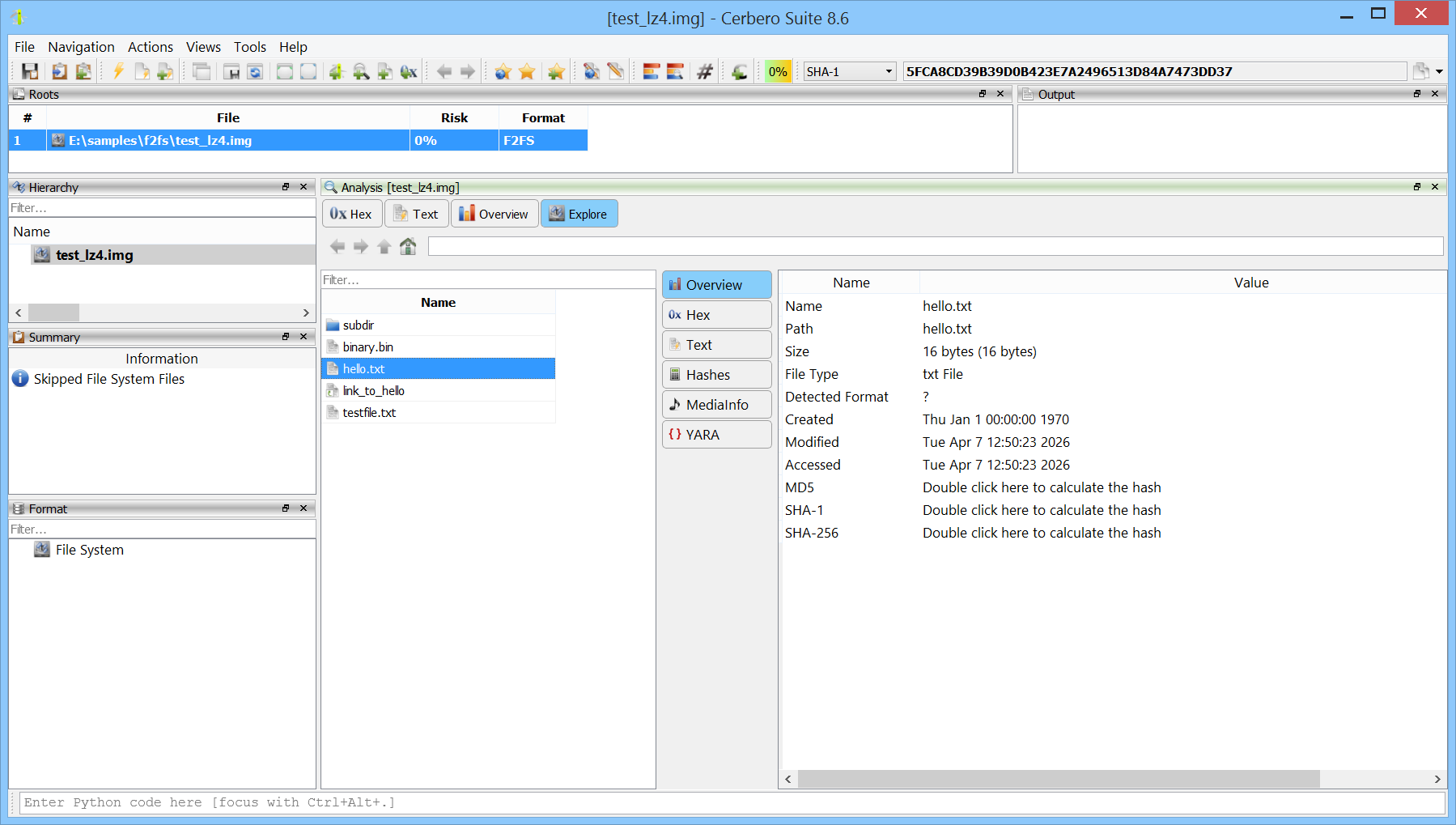
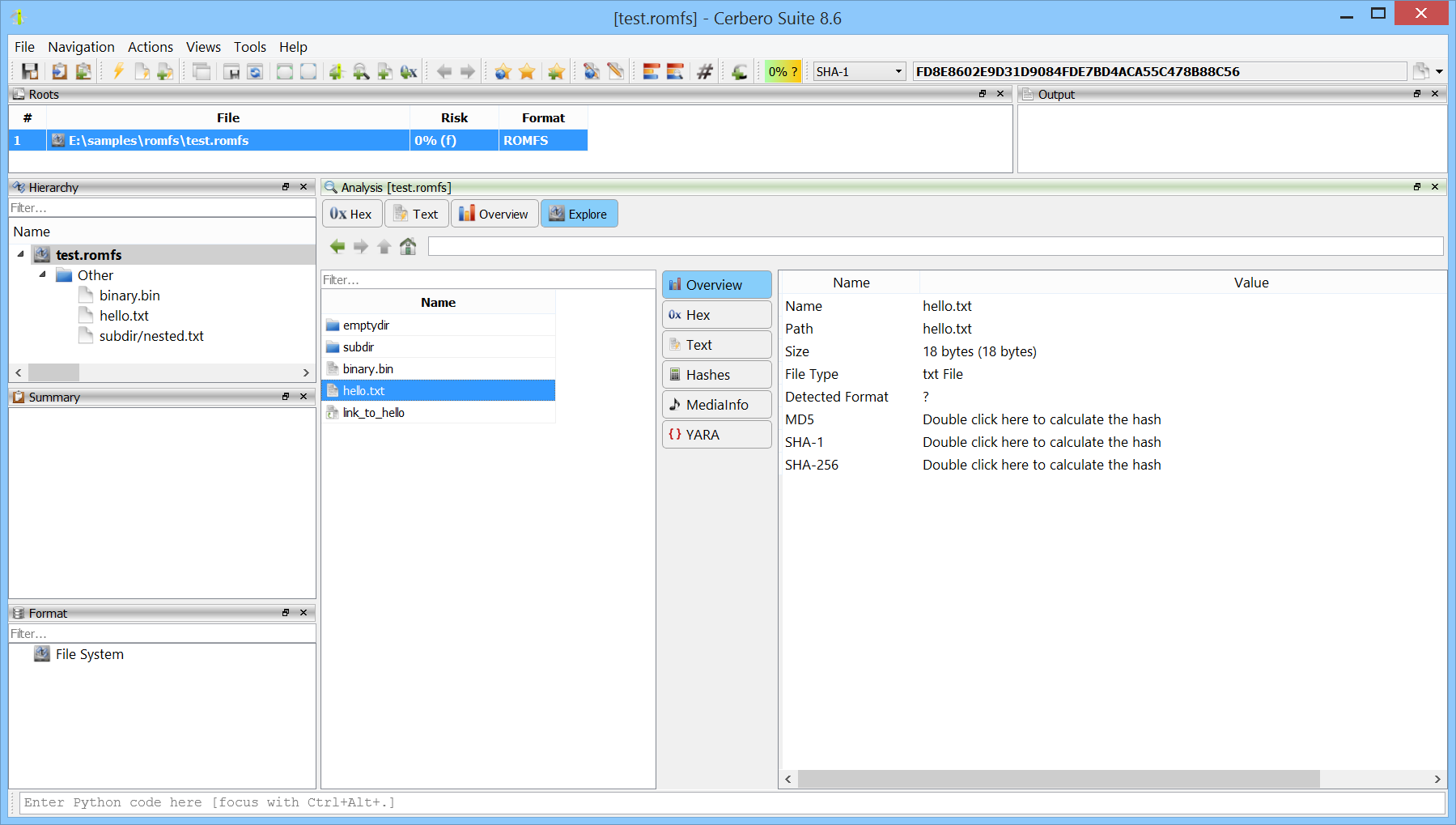
We are happy to announce support for the ROMFS (ROM File System) format in Cerbero Suite. The new ROMFS Format package lets you browse and extract files from ROMFS images directly within the application.

ROMFS is a simple, space-efficient, read-only file system designed for Linux. It was introduced in Linux 2.1.21 as a minimal alternative to ext2 for boot media and embedded devices. ROMFS stores data uncompressed with all on-disk structures in big-endian byte order, resulting in very low overhead and fast read access. ROMFS is commonly found in embedded systems, firmware images, initial RAM file systems (initramfs/initrd), and bootloaders. Its simplicity and small kernel footprint make it a popular choice for resource-constrained environments where read-only access is sufficient. Having native support in Cerbero Suite means analysts can inspect firmware dumps and ROM images encountered during security research, vulnerability assessment, or forensic investigations without needing external tools.

CRAMFS Format Package

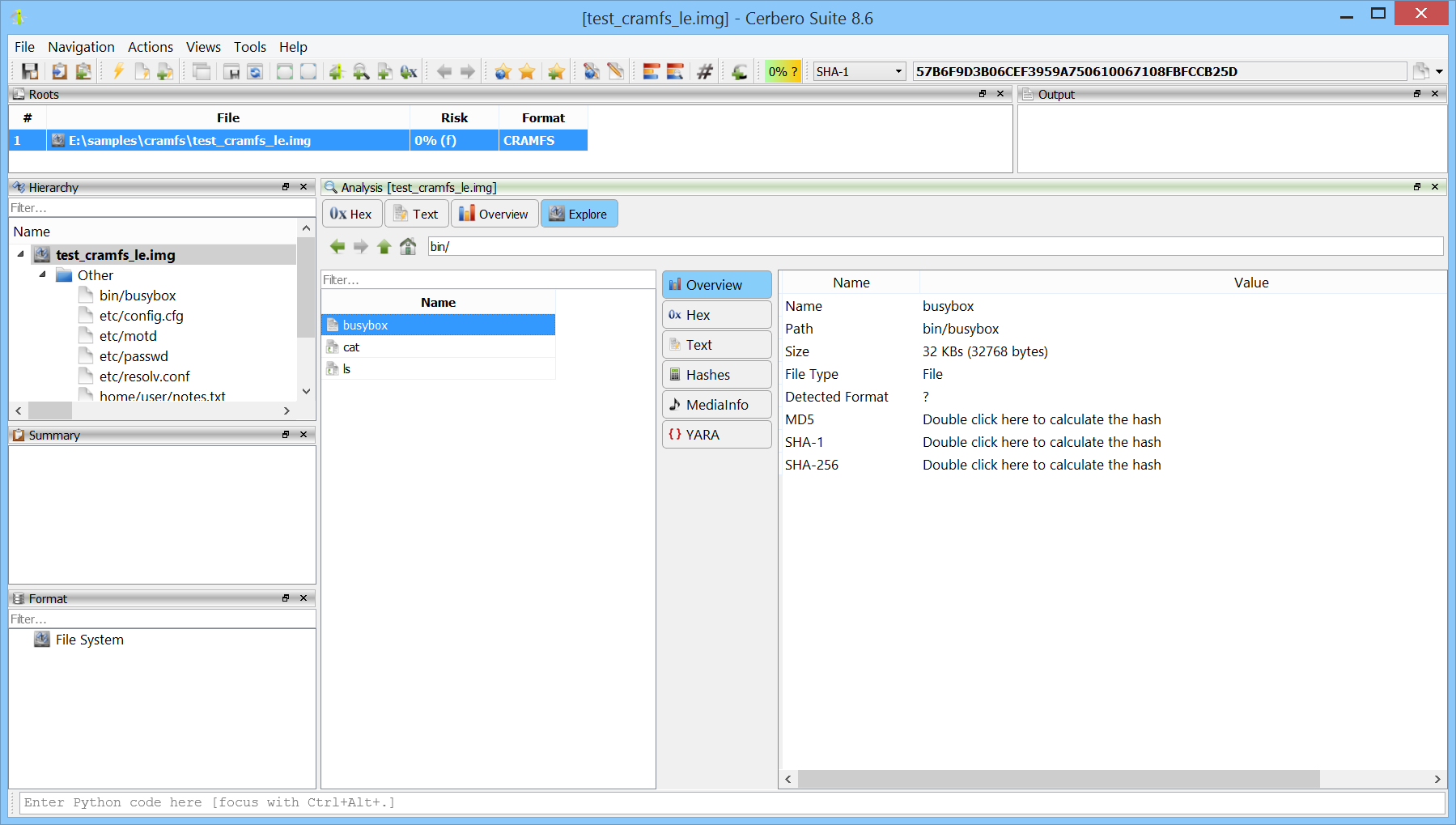
We are happy to announce support for CRAMFS file system images. The new CRAMFS Format package lets you browse and extract files from CRAMFS images directly within the application.

CRAMFS (Compressed ROM File System) is a simple, read-only compressed file system designed for Linux ROM devices. It compresses file data one page at a time using zlib, keeping the image compact while allowing random read access. CRAMFS is commonly found in embedded systems, firmware images, set-top boxes, and devices with limited flash storage. Having native support in Cerbero Suite means analysts can inspect firmware dumps and ROM images encountered during security research, vulnerability assessment, or forensic investigations without needing external tools.

YAFFS Format Package

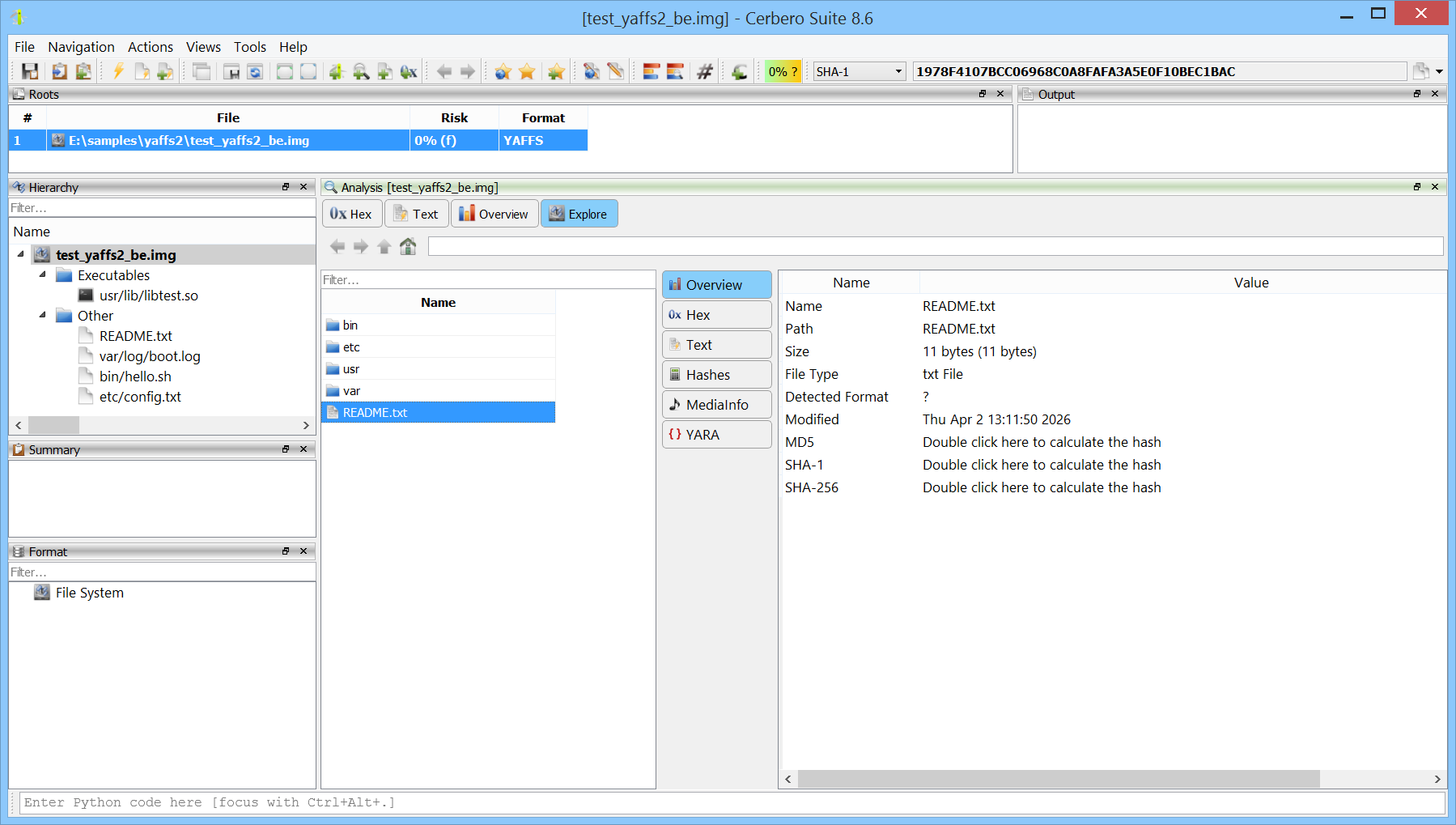
We are happy to announce support for YAFFS and YAFFS2 file system images. The new YAFFS Format package lets you browse and extract files from YAFFS flash dumps directly within the application.

YAFFS2 (Yet Another Flash File System 2) is a log-structured file system designed for NAND flash memory. It is widely used in embedded Linux devices such as Android phones, routers, set-top boxes, IoT hardware, and industrial controllers. YAFFS stores data in fixed-size chunks (pages) interleaved with spare (out-of-band) areas that contain metadata tags. Having native support in Cerbero Suite means analysts can inspect firmware dumps and flash images encountered during security research, vulnerability assessment, or forensic investigations without needing external tools or knowing the NAND geometry parameters.

JFFS2 Format Package

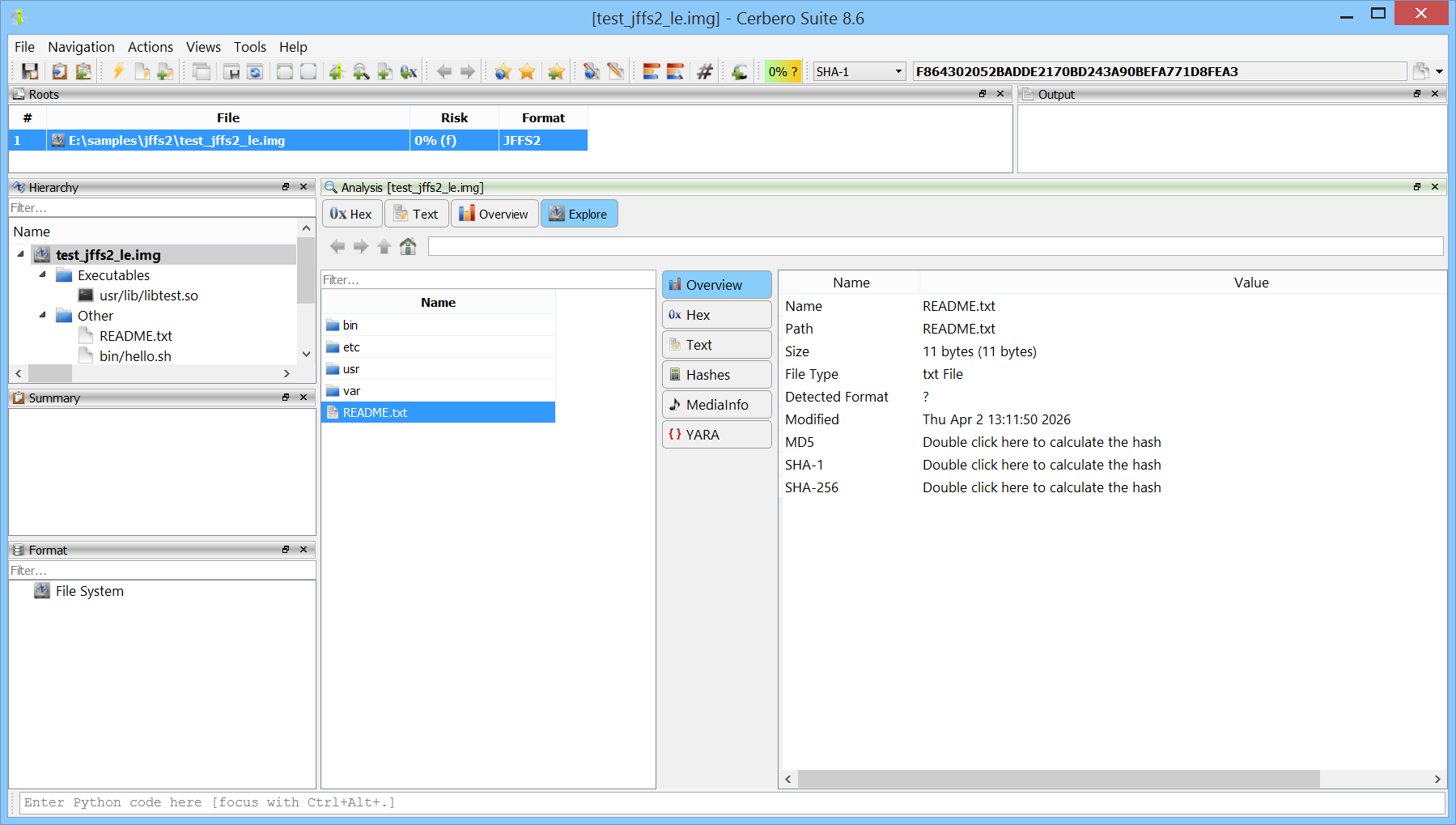
We are happy to announce support for JFFS2 file system images. The new JFFS2 Format package lets you browse and extract files from JFFS2 images directly within the application.

JFFS2 (Journalling Flash File System v2) is a log-structured file system designed for raw NOR and NAND flash memory. It is widely used in embedded Linux devices such as routers, access points, IoT hardware, industrial controllers, and consumer electronics. JFFS2 stores data as a sequential log of nodes on flash, with each node carrying file metadata, directory entries, or compressed data fragments. Having native support in Cerbero Suite means analysts can inspect firmware dumps and flash images encountered during security research, vulnerability assessment, or forensic investigations without needing external tools.

UBI Format Package

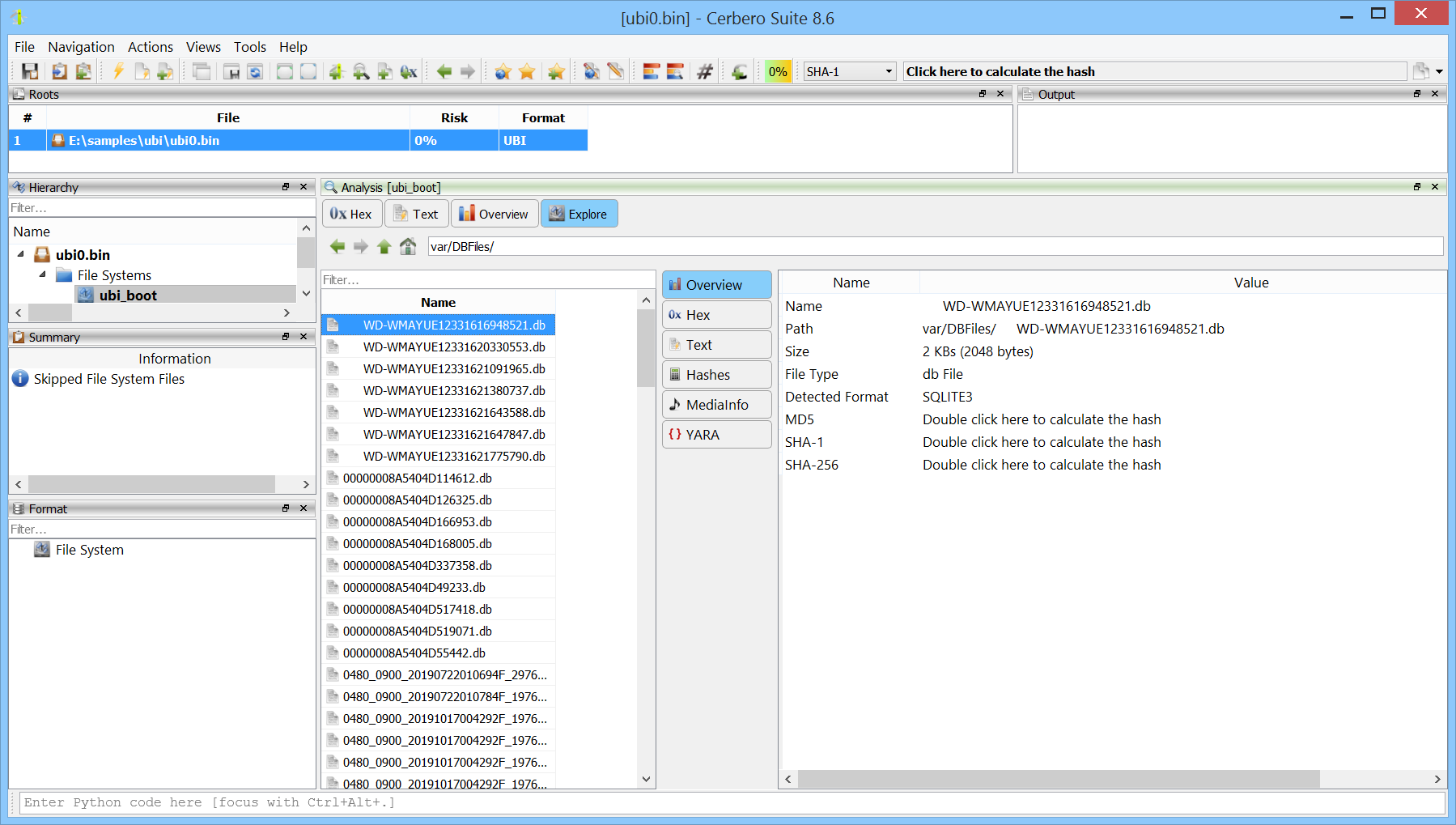
We are happy to announce support for UBI images and the UBIFS file system. The new UBI Format package lets you inspect UBI volumes and browse UBIFS file systems directly within the application.

UBI (Unsorted Block Image) is a volume management layer for raw NAND flash memory, widely used in embedded Linux devices such as routers, IoT hardware, industrial controllers, and consumer electronics. A UBI image contains one or more logical volumes that may hold kernel images, SquashFS partitions, or UBIFS file systems. UBIFS is a log-structured file system designed specifically for UBI volumes, featuring a B-tree index and transparent data compression. Having native support in Cerbero Suite means analysts can inspect firmware dumps and flash images encountered during security research, vulnerability assessment, or forensic investigations without needing external tools.

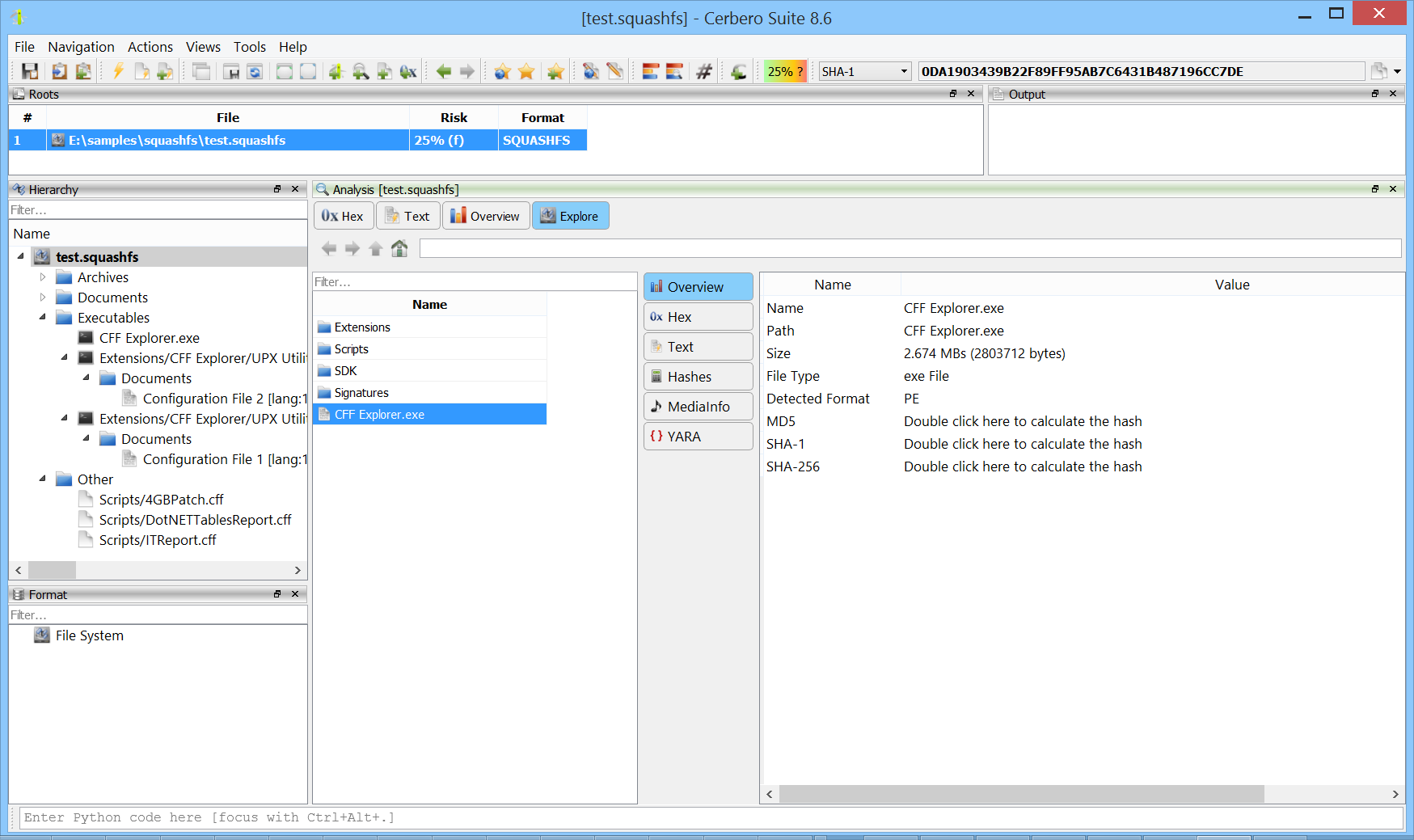
SquashFS Format Package

We are happy to announce support for the SquashFS file system format. The new SquashFS Format package lets you browse and extract files from SquashFS images directly within the application.

SquashFS is a compressed, read-only file system widely used in Linux distributions, embedded devices, firmware images, container technologies, and snap/AppImage application packages. It supports multiple compression algorithms and is designed for high compression ratios with fast random access. Having native support in Cerbero Suite means analysts can inspect SquashFS images encountered during firmware analysis, malware triage, or forensic investigations without needing external tools.

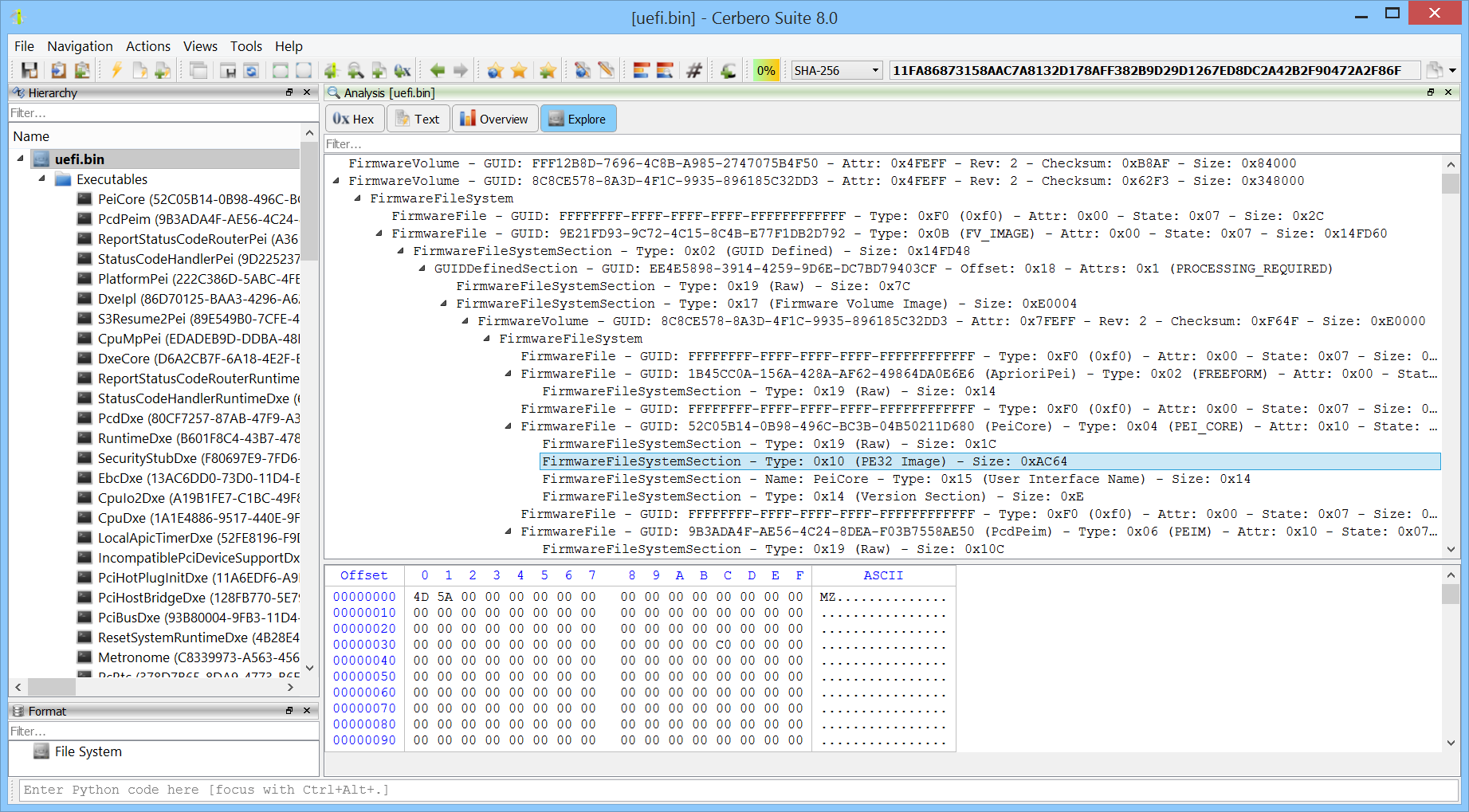
UEFI Firmware Image Format Package

We have released the UEFI Firmware Image Format package for all licenses of Cerbero Suite!

The package supports a variety of UEFI firmware image formats and, in addition to allowing you to inspect their structure, it automatically extracts embedded files.

Continue reading “UEFI Firmware Image Format Package”